Insights & Inspirations

The Art of Handcrafted Glass: From Design to Decor
Handcrafted glass decor is a timeless art form that brings elegance and individuality into our living spaces. From delicately blown glass vases to stunning stained glass windows, the art of handcrafted glass has evolved over centuries, merging skill, patience, and creativity into pieces that captivate the eye and elevate any decor. Each item is a testament to the mastery of glass artisans who have honed their craft, transforming raw materials into works of art that reflect personality, color, and light.
The Origins and Evolution of Handcrafted Glass in India
The art of glassmaking has a long history in India, dating back thousands of years. Evidence of early glass beads and ornaments has been found in ancient sites like the Indus Valley, showing that glass was valued for its beauty and versatility. Over the centuries, Indian artisans have developed unique styles and techniques for glasswork, including stained glass, colored glass beads, and traditional “firozi” (turquoise) blue glassware. This evolution has shaped a rich legacy, with regions like Rajasthan, Uttar Pradesh, and Maharashtra becoming hubs for handcrafted glassware, each adding unique patterns and colors that contribute to the country’s vibrant art scene.
Today, handcrafted glass is highly valued in home decor, celebrated for its uniqueness and the artistry involved in each piece. Unlike mass-produced glassware, handcrafted pieces tell a story. The process of creating them is labor-intensive, demanding a keen eye, steady hand, and deep understanding of the properties of glass. These pieces are often treasured heirlooms, passed down through generations for their beauty and sentimental value.
The Glassmaking Process: From Molten Material to Masterpiece
Creating handcrafted glass decor is a complex process that involves several steps, each requiring skill and precision. Here’s a closer look at the journey from design to finished decor:
- Design and Planning
Every handcrafted glass piece starts with a vision. Artisans and designers conceptualize the form, color, and pattern they want to achieve. This stage often involves sketching and detailed planning, especially for intricate items like stained glass panels or decorative vases. The design needs to account for the unique challenges of working with glass, as it behaves differently than other materials and requires specific techniques to shape and color. - Choosing Materials
Different types of glass are chosen depending on the desired look and feel of the final piece. Some common types include soda-lime glass, borosilicate glass, and leaded glass. The composition of the glass determines its properties, like clarity, color absorption, and durability. Additionally, colorants are carefully selected—metals like cobalt, copper, and manganese are often added to produce blues, greens, purples, and other hues that enhance the design. - Heating and Shaping
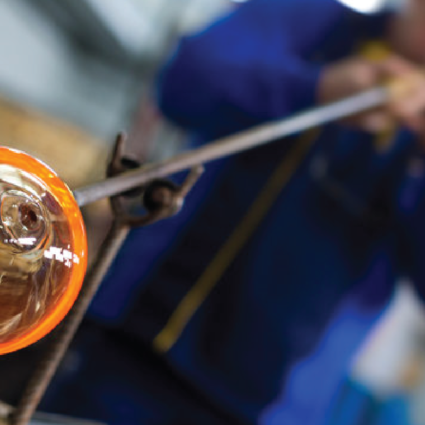
Glass artisans use intense heat to soften glass, allowing it to be shaped. Traditional methods, like glassblowing, involve heating glass to a molten state (around 1,100 to 1,300 degrees Celsius) and then inflating it through a blowpipe. The glass can then be molded, stretched, or cut into the desired shape. In other techniques, such as casting and fusing, the glass is poured into molds or layered and melted together in a kiln, providing different textures and forms. - Coloring and Decorating
The addition of colors and decorations is one of the most artistic parts of glassmaking. Metals and minerals are mixed into the glass to achieve a range of colors, from deep blues (cobalt) to vibrant reds (gold chloride) and emerald greens (copper). For complex patterns, artisans might use techniques like sandblasting, etching, or enamel painting, adding depth and detail to each piece. Stained glass, for example, requires precise cutting and joining of colored glass pieces, often framed with lead to create a cohesive design. - Annealing and Finishing
Once shaped, the glass is slowly cooled in a process called annealing. This step relieves internal stresses, making the glass stronger and less prone to cracking. The cooled piece is then polished, cleaned, and sometimes cut or ground to refine edges. For larger or more intricate items, like chandeliers or glass panels, additional assembly may be needed.
Types of Handcrafted Glass Decor in India
Handcrafted glass decor offers an array of options for enhancing interiors. Here are some popular types that add artistry and charm to any space:
- Glass Vases and Bowls
Blown glass vases and bowls are common decorative items, known for their fluid shapes and vibrant colors. Each vase or bowl is a unique piece, often featuring swirls of color or intricate patterns that make it a centerpiece on any table or shelf. - Stained Glass Windows and Panels
Stained glass has been a feature in Indian architecture for centuries, especially in traditional havelis (mansions) and temples. Today, stained glass windows or panels are used in homes to create beautiful focal points, allowing light to filter through in a spectrum of colors. These pieces can range from traditional floral motifs to modern abstract designs. - Glass Chandeliers and Lighting Fixtures
Chandeliers and lighting fixtures crafted from glass are both functional and decorative, casting light that illuminates the room while showcasing the craftsmanship of the glasswork. Crystal chandeliers, for example, add elegance and sophistication to any setting. - Table Lamps and Candle Holders
Handcrafted glass lamps and candle holders bring warmth and ambiance to a space. Many artisans create lamps with colored glass that casts a soft glow when illuminated, while candle holders often feature delicate patterns or textures, making them ideal for creating a cozy atmosphere.
The Appeal of Handcrafted Glass in Home Decor
Handcrafted glass decor brings a unique, artistic quality to interiors, offering a refreshing contrast to mass-produced items. Each piece carries the artisan’s touch, with slight variations that make it one-of-a-kind. These variations lend character to the decor and connect us to the artist’s creative process, adding a human element to our living spaces.
The allure of handcrafted glass also lies in its versatility. It fits seamlessly into various decor styles, from minimalist and modern to rustic and traditional. Whether it’s a sleek glass table lamp in a contemporary setting or a colorful stained glass panel in a vintage-style room, handcrafted glass complements and enhances any design aesthetic.
Conclusion
Handcrafted glass is more than just decor—it’s a celebration of art, history, and individuality. From the planning stage to the final product, each piece tells a story of skill, passion, and creativity. Investing in handcrafted glass decor not only supports artisans but also brings home an object of beauty and heritage. Whether it’s a simple vase, an elaborate chandelier, or a stained glass window, handcrafted glass decor has the power to transform any space, adding color, light, and a touch of timeless elegance.
About Seven Tigers
Seven Tigers, with over 70 years of expertise in glass manufacturing, is a premier provider of exclusive, handcrafted glassware known for its top-notch quality and artistry. Headquartered in India, we serve global markets with dedicated offices in Dubai, catering to the UAE, GCC, and European regions, and in Toronto, reaching the USA and Canada.
Our commitment to quality craftsmanship and sustainable practices sets us apart in the industry. Each piece from Seven Tigers is meticulously crafted by skilled artisans, ensuring an unmatched blend of elegance, durability, and functionality. Driven by a passion for innovation, we continually refine our designs and production techniques to deliver timeless pieces that transform spaces and resonate with discerning clients worldwide.
With a strong foundation in quality, craftsmanship, and customer service, Seven Tigers is dedicated to enriching spaces across the globe.